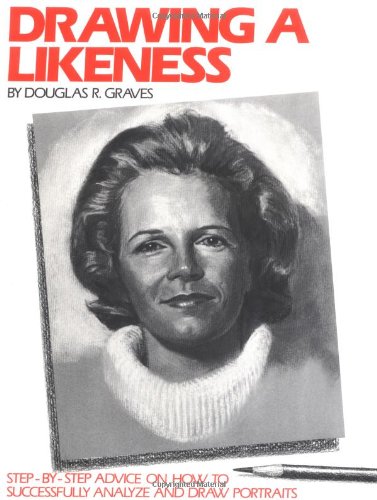
Everyone who paints or draws portraits worries most about one thing: getting an accurate likeness. But getting a likeness doesn't take genius and isn't based on a bag of tricks. It's really a matter of learning to use a logical procedure, based on careful observation of the subject, and then lots of practice.
Drawing a Likeness is divided into three parts. In the first part you learn how to analyze a head—how to recognize the basic shapes and their variations, and place the features within the larger form of the head. Drawings of many different subjects serve as examples. In the second part, the actual drawing procedure is analyzed in minute detail as three different-shaped heads—oval, rectangular, and round—are drawn. Each of these three demonstrations contains a photograph of the subject and develops the portrait in great detail (45 actual steps) right down to the finished drawing. In the third part of the book, you learn how to use different combinations of drawing materials to create a wide range of effects: charcoal, Conté, and carbon pencils on both gray and white charcoal paper, graphite pencils on illustration board, soft and hard charcoal sticks and pencils on smooth board, charcoal and carbon pencil worked over acrylic-gessoed chipboard. There are six demonstrations in this section showing how to draw men and women of different ages. Each demonstration has ten steps, one per page, and includes a photograph of the subject.
Drawing a Likeness is a basic, practical book for anyone who has ever tried to draw or paint a portrait—students, amateurs, professionals, and teachers., ISBN13: 9780823013586 ISBN10: 0823013588 Material Type: paperbackEveryone who paints or draws portraits worries most about one thing: getting an accurate likeness. But getting a likeness doesn't take genius and isn't based on a bag of tricks. It's really a matter of learning to use a logical procedure, based on careful observation of the subject, and then lots of practice.
Drawing a Likeness is divided into three parts. In the first part you learn how to analyze a head—how to recognize the basic shapes and their variations, and place the features within the larger form of the head. Drawings of many different subjects serve as examples. In the second part, the actual drawing procedure is analyzed in minute detail as three different-shaped heads—oval, rectangular, and round—are drawn. Each of these three demonstrations contains a photograph of the subject and develops the portrait in great detail (45 actual steps) right down to the finished drawing. In the third part of the book, you learn how to use different combinations of drawing materials to create a wide range of effects: charcoal, Conté, and carbon pencils on both gray and white charcoal paper, graphite pencils on illustration board, soft and hard charcoal sticks and pencils on smooth board, charcoal and carbon pencil worked over acrylic-gessoed chipboard. There are six demonstrations in this section showing how to draw men and women of different ages. Each demonstration has ten steps, one per page, and includes a photograph of the subject.
Drawing a Likeness is a basic, practical book for anyone who has ever tried to draw or paint a portrait—students, amateurs, professionals, and teachers., ISBN13: 9780823013586 ISBN10: 0823013588 Material Type: paperback , ISBN13: 9780823013586 ISBN10: 0823013588 Material Type: paperback
Product Details
ISBN10: 0823013588
ISBN13: 9780823013586
Publisher: Douglas R. Graves
Print Length: 176
Sale priceRegular price
$19.00
$14.25 - USED LIKE NEW
Unit price
/per
Earn CHEAPmoney every time you buy books
🚚Fast Delivery
🔒Secure Payment
📚Wide Selection
Hurry up, only 1 item left in stock.
Everyone who paints or draws portraits worries most about one thing: getting an accurate likeness. But getting a likeness doesn't take genius and isn't based on a bag of tricks. It's really a matter of learning to use a logical procedure, based on careful observation of the subject, and then lots of practice.
Drawing a Likeness is divided into three parts. In the first part you learn how to analyze a head—how to recognize the basic shapes and their variations, and place the features within the larger form of the head. Drawings of many different subjects serve as examples. In the second part, the actual drawing procedure is analyzed in minute detail as three different-shaped heads—oval r...
Free Shipping over $50
Free Returns Within 30 days
Description
Everyone who paints or draws portraits worries most about one thing: getting an accurate likeness. But getting a likeness doesn't take genius and isn't based on a bag of tricks. It's really a matter of learning to use a logical procedure, based on careful observation of the subject, and then lots of practice.
Drawing a Likeness is divided into three parts. In the first part you learn how to analyze a head—how to recognize the basic shapes and their variations, and place the features within the larger form of the head. Drawings of many different subjects serve as examples. In the second part, the actual drawing procedure is analyzed in minute detail as three different-shaped heads—oval, rectangular, and round—are drawn. Each of these three demonstrations contains a photograph of the subject and develops the portrait in great detail (45 actual steps) right down to the finished drawing. In the third part of the book, you learn how to use different combinations of drawing materials to create a wide range of effects: charcoal, Conté, and carbon pencils on both gray and white charcoal paper, graphite pencils on illustration board, soft and hard charcoal sticks and pencils on smooth board, charcoal and carbon pencil worked over acrylic-gessoed chipboard. There are six demonstrations in this section showing how to draw men and women of different ages. Each demonstration has ten steps, one per page, and includes a photograph of the subject.
Drawing a Likeness is a basic, practical book for anyone who has ever tried to draw or paint a portrait—students, amateurs, professionals, and teachers., ISBN13: 9780823013586 ISBN10: 0823013588 Material Type: paperbackEveryone who paints or draws portraits worries most about one thing: getting an accurate likeness. But getting a likeness doesn't take genius and isn't based on a bag of tricks. It's really a matter of learning to use a logical procedure, based on careful observation of the subject, and then lots of practice.
Drawing a Likeness is divided into three parts. In the first part you learn how to analyze a head—how to recognize the basic shapes and their variations, and place the features within the larger form of the head. Drawings of many different subjects serve as examples. In the second part, the actual drawing procedure is analyzed in minute detail as three different-shaped heads—oval, rectangular, and round—are drawn. Each of these three demonstrations contains a photograph of the subject and develops the portrait in great detail (45 actual steps) right down to the finished drawing. In the third part of the book, you learn how to use different combinations of drawing materials to create a wide range of effects: charcoal, Conté, and carbon pencils on both gray and white charcoal paper, graphite pencils on illustration board, soft and hard charcoal sticks and pencils on smooth board, charcoal and carbon pencil worked over acrylic-gessoed chipboard. There are six demonstrations in this section showing how to draw men and women of different ages. Each demonstration has ten steps, one per page, and includes a photograph of the subject.
Drawing a Likeness is a basic, practical book for anyone who has ever tried to draw or paint a portrait—students, amateurs, professionals, and teachers., ISBN13: 9780823013586 ISBN10: 0823013588 Material Type: paperback , ISBN13: 9780823013586 ISBN10: 0823013588 Material Type: paperback
Product Details
ISBN10: 0823013588
ISBN13: 9780823013586
Publisher: Douglas R. Graves
Print Length: 176
Everyone who paints or draws portraits worries most about one thing: getting an accurate likeness. But getting a likeness doesn't take genius and isn't based on a bag of tricks. It's really a matter of learning to use a logical procedure, based on careful observation of the subject, and then lots of practice.
Drawing a Likeness is divided into three parts. In the first part you learn how to analyze a head—how to recognize the basic shapes and their variations, and place the features within the larger form of the head. Drawings of many different subjects serve as examples. In the second part, the actual drawing procedure is analyzed in minute detail as three different-shaped heads—oval, rectangular, and round—are drawn. Each of these three demonstrations contains a photograph of the subject and develops the portrait in great detail (45 actual steps) right down to the finished drawing. In the third part of the book, you learn how to use different combinations of drawing materials to create a wide range of effects: charcoal, Conté, and carbon pencils on both gray and white charcoal paper, graphite pencils on illustration board, soft and hard charcoal sticks and pencils on smooth board, charcoal and carbon pencil worked over acrylic-gessoed chipboard. There are six demonstrations in this section showing how to draw men and women of different ages. Each demonstration has ten steps, one per page, and includes a photograph of the subject.
Drawing a Likeness is a basic, practical book for anyone who has ever tried to draw or paint a portrait—students, amateurs, professionals, and teachers., ISBN13: 9780823013586 ISBN10: 0823013588 Material Type: paperback
Regular price
$14.25 - USED LIKE NEW
Sale priceRegular price
$19.00
$14.25 - USED LIKE NEW
Sale priceRegular price
$19.00
$14.25 - USED LIKE NEW
Unit price
/per
Earn CHEAPmoney every time you buy books
Modern
Eco-certified
Warranty
Hurry up, only 1 item left in stock.
Everyone who paints or draws portraits worries most about one thing: getting an accurate likeness. But getting a likeness doesn't take genius and isn't based on a bag of tricks. It's really a matter of learning to use a logical procedure, based on careful observation of the subject, and then lots of practice.
Drawing a Likeness is divided into three parts. In the first part you learn how to analyze a head—how to recognize the basic shapes and their variations, and place the features within the larger form of the head. Drawings of many different subjects serve as examples. In the second part, the actual drawing procedure is analyzed in minute detail as three different-shaped heads—oval r...